

L1
L2
L3
L4
L6
L7
L8
L9
L10
L11
L13
L14
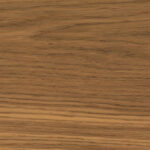
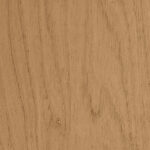
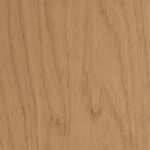
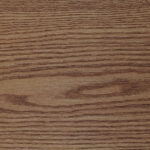
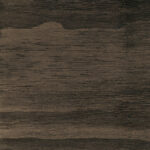
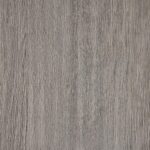
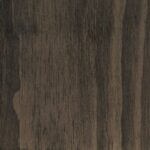
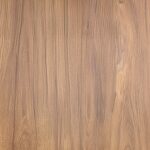
Being a natural material, colour variations or even cracks due to the degree of humidity and sudden changes in temperature may be observed. If no maintenance treatment is received, through the periodic application of common and specific protective oil-based, the surface may take a silver-gray patina that can be easily removed with a light surface sanding down and subsequent polishing with a jute cloth. Small superficial stains due to oil or other food products must be removed promptly, before the wood can absorb them in depth, sanding down the affected surface and then polishing it with a jute cloth.

A3
A4

A5

A6

A7

A9

A10

A12

A13
A14

A15
A16

A17L

A18L

A19
A19L

A20
A21

A22
A23
To keep the product in good condition for a long time, we recommend a regular cleaning period, particularly frequent in places characterized by high humidity and marine climate. We recommend cleaning the surfaces with a soft cloth using water or neutral detergents. Prolonged and uninterrupted exposures to intense UV radiation or at very low temperatures can affect the initial characteristics of the colored polyester coating. We recommend cleaning and storing products in sheltered areas during long periods of non-use and winter.
I1

I2
I3

I4
I5

I6
To keep the product in good condition for a long time, we recommend a regular cleaning period, particularly frequent in places characterized by high humidity and marine climate. We recommend cleaning the surfaces with a soft cloth using water or neutral detergents. Prolonged and uninterrupted exposures to intense UV radiation or at very low temperatures can affect the initial characteristics of the colored polyester coating. We recommend cleaning and storing products in sheltered areas during long periods of non-use and winter.

M1
M2

M3

Magnesit black

Magnesit white
To keep the product in good condition for a long time, we recommend a regular cleaning period, particularly frequent in places characterized by high humidity and marine climate. We recommend cleaning the surfaces with a soft cloth using water or neutral detergents. Prolonged and uninterrupted exposures to intense UV radiation or at very low temperatures can affect the initial characteristics of the colored polyester coating. We recommend cleaning and storing products in sheltered areas during long periods of non-use and winter.

G1

G2

G3
G4

G5
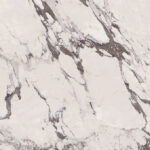
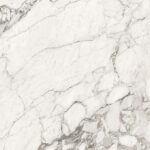
For routine cleaning, we recommend using a solution of water and a neutral detergent with a low wax content (such as products for marble floors). In case of stubborn stains, it is possible to use solutions containing ammonia or diluted bleach (10% bleach solution: 1 part bleach to 10 parts water). Be sure to rinse thoroughly and dry with a soft cloth.
S4
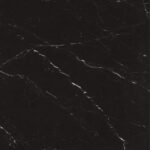
S10
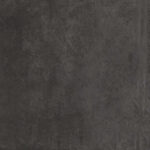
S11
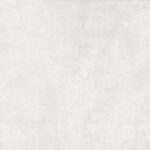
S14
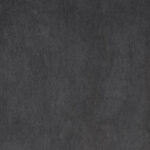
S15
S16
S17
S18
S19
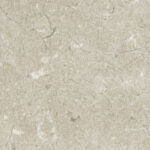
S20
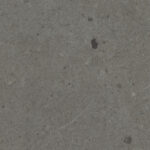
S21
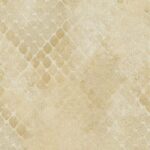
S50
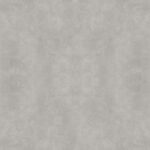
Tikal GR

Tikal GG
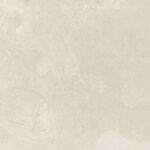
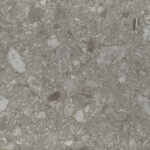
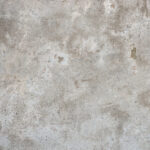
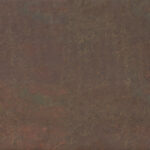
For the cleaning of stoneware tops it is advisable to use a damp cloth with water and a neutral detergent to be rinsed and dried with a dry cloth. During the washing phase, pay particular attention to avoid the accumulation of dirt.
S22

S23
S24

S56
In case of stubborn dirt or lack of care, we recommend to first remove any dry deposits with a soft and damp cloth, without rubbing to avoid scratching the surface. Then use a soft, non-abrasive sponge and a household detergent, wash the surface with the detergent and rinse with warm water, at the end dry thoroughly.

S32
S33
S34
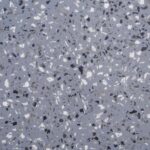
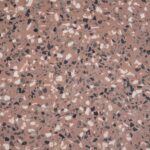
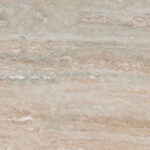
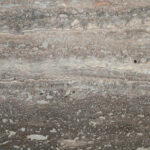
It can be cleaned with water and neutral soap. Natural soap cleans, disinfects and nourishes the graniglia. DO NOT use aggressive detergents or acid/alkaline products that would compromise the limestone floor. The periodic use of neutral marble wax mixed in some water revives the colours and creates a patina effect that will protect the graniglia.
S1
S7
S9
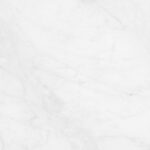
To maintain the shine of marble it is necessary to clean the surfaces daily: it is sufficient to dilute the neutral soap in warm water. The surfaces must be rubbed with a sponge or a soft cloth. It will be sufficient to rinse with a damp cloth, being careful not to leave detergent stains.
ER1
ER2
ER3
For proper maintenance it is recommended to clean it with a damp cloth avoiding the use of aggressive solvents.
S30
S31
S36
Concrete is a porous material that tends to absorb liquids which get in contact with its surface, which is why it must be protected with special products such as anti wear sealant and Anti stain sealant. It is therefore important to avoid the stagnation of liquids on the surfaces and especially the prolonged contact between cement and wet objects such as vases, bottles, glasses or plastic sheets: incorrect evaporation of liquids can cause stains that are difficult to remove. Clean the surface with water and neutral detergent with a low content of wax (for ex. marble flooring products). Stubborn stains can be cleaned by using a solution containing 10% diluted ammonia/bleach, which is 1 part bleach for 10 parts water.
CE1

CE2
CE3
Clean with a damp cloth without using aggressive solvents. Abrasives and solvents must be absolutely avoided.
FB1

FB2
FB3
For proper maintenance it is recommended to clean the surface with a non-abrasive cloth. Small surface spots due to oil, coffee, wine and other food products must be removed promptly. In the case of resistant stains, cleaning with products containing vinegar.

S48

S49

S59

S64

S65

S66
S67
For cleaning the fiberglass use a soft cloth and mild soap. Avoid abrasive or acid products, which could damage the surface. Dry immediately to prevent stains with a microfiber cloth.

S27
S28
S29
S37
S38
S39
S40
S41
S2

S3
S5
S42
S43

S45
S46
S61

S62

S63
For the cleaning of stoneware tops it is advisable to use a damp cloth with water and a neutral detergent to be rinsed and dried with a dry cloth. During the washing phase, pay particular attention to avoid the accumulation of dirt.

PE1
PE1t

PE2

PE2t

PE3
PE3t

PE4

PE5

PU1

PU2

PU3

PU4

PU5
Cleaning polyurethane seats is very simple, practical and fast. First of all, it is necessary to remove the dirt, then you must moisten a cloth with water and with a suitable specific product that is not too aggressive. To ensure the durability of the products, clean the surfaces using only warm water and neutral soap. Do not use aggressive solvents such as acetone or petrol and alkaline based detergents which can chemically attack the material compromising its aesthetics and structural integrity.
R1
R2
R3
R4
R5
R6
R7
R8
R9
R10
R12
R13
R14
R15
R16
R17
R18
R19
R20
R21
R22
R23
R26
R27
R28
R29
R31
R32
R33
R34
R35
R39
R41
R42
R43
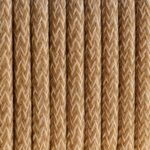
R46
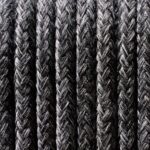
R47
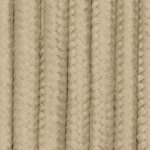
R54
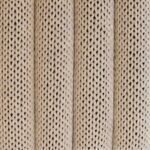
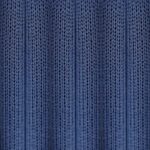
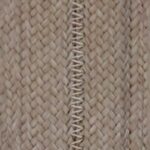
It is recommended to clean with a neutral product and a non-abrasive cloth.
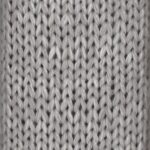
R30
R36

R37
R38

R40
R44

R45
R55
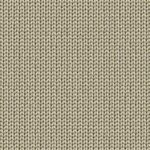
For cleaning, we recommend using water and non-abrasive liquid detergents with a neutral and colorless pH.
B1
B2
B3
B4
B5
B6
B7
B9

B10
B11
B12
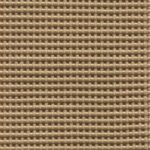
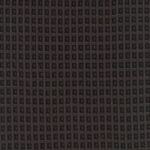
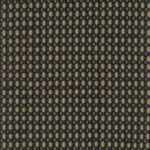
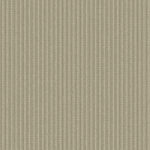
We recommend to avoid prolonged contact with greasy substances and / or dyes which could be absorbed by the covering material used and consequently cause permanent stains and risk to deteriorate the structure of the yarn. It is advisable it is suggested to avoid the use of solvents. Use water and non-abrasive liquid detergents with neutral PH and colourless.

B9
B10
Avoid prolonged contact with greasy substances and/or dyes, which may be absorbed by the covering material and consequently cause permanent stains and risk damaging the yarn structure. Avoid the use of solvents. Use water and non-abrasive, neutral-pH, colourless liquid detergents.
R57
R58
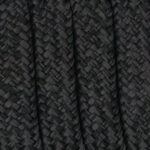
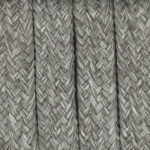
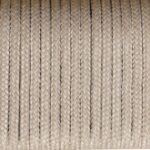
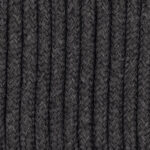
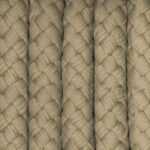
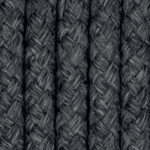
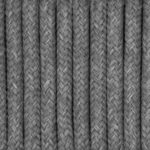
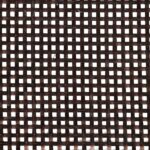
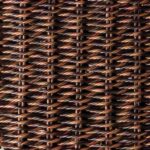
For regular cleaning and maintenance, it is recommended to wash the fiber with water, using a non-abrasive sponge and a mild soap, or a soft-bristle brush to better reach the spaces between the weaves. It is important to avoid tools that could scratch the surface of the fiber. Allow the fiber to dry in the sun and place the cushions back only when it is completely dry.

R50
R51
R56
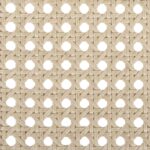
For ordinary cleaning and maintenance, it is recommended to wash the fiber with water under pressure, using a non-abrasive sponge and mild soap or a soft bristle brush to better reach the spaces between the weaves. It is important to avoid using tools that can scratch the surface of the fiber. Let the rope dry in the sun and cover with cushions only when it is completely dry.
C109
C111

C112

C113
C134

C148
C149

C150

C212
C214

C226
C231
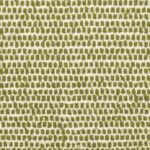
Polypropylene requires minimal maintenance due to its resistance to moisture. Periodic cleaning with water and neutral detergents is sufficient to remove dirt and residues. As it does not absorb liquids, stains are easy to remove. Abrasive products should be avoided to preserve the surface.

C138

C139
C140

C151

C152
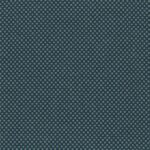
PET fabrics require standard care to ensure consistent long-term performance. Cleaning with water and neutral detergents is recommended, avoiding abrasive substances or solvents. Stains should be treated promptly for easier removal. Allow to air dry, avoiding direct heat sources.
C6
C10
C11
C15
C16
C17
C20
C21
C22
C23
C24
C33
C34
C35
C38
C40
C41

C49
C54
C56
C58
C59
C71
C77
C78
C79
C80
C93

C94
C96
C97
C98
C99
C106
C114
C115
C116
C117
C118

C120
C121
C123
C125
C129

C130
C131
C132
C143
C144
C145
C153
C155
C156
C167
C168
C169
C175
C176
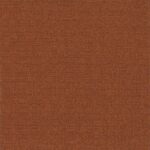
C177
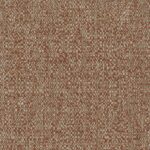
C178
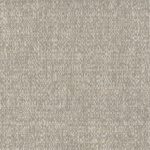
C179
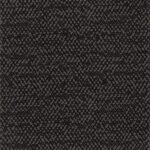
C180
C181
C205
C221
C222
C223
C228
Polyolefin fibers are designed for practicality and long-lasting performance. Routine cleaning with water and neutral detergents is sufficient to keep the material in good condition. Their resistance to stains and moisture reduces the need for frequent maintenance. Aggressive detergents should be avoided.
C8
C14
C18
C25
C27
C30

C37
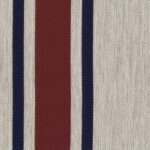
C64
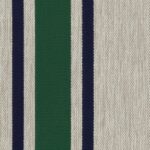
C65
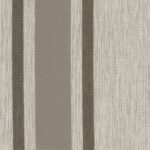
C66
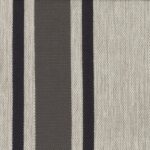
C67
C69
C82
C84

C85

C86

C87
C90
C188
Polyester is a durable, easy-care material. Regular cleaning with neutral detergents and lukewarm water helps maintain its original appearance. Bleaching agents or aggressive products should be avoided to protect the fibers. Air drying is recommended to preserve the material’s structure.
C182
Polypropylene requires minimal maintenance due to its resistance to moisture. Periodic cleaning with water and neutral detergents is sufficient to remove dirt and residues. As it does not absorb liquids, stains are easy to remove. Abrasive products should be avoided to preserve the surface.
C2
C17W
C19
C48W
C53
C61
C62
C63
C81
C83
C95
C96W
C130W
C145W
C160
C161
C162
C163
C164
C165
C166
C170
C191
C193
Olefin is a low-maintenance fiber, ideal for outdoor use. Regular cleaning with water and neutral detergents is recommended to remove dirt and residues. Aggressive products should be avoided to prevent surface damage. The fiber’s quick-drying properties help reduce the risk of mold and moisture buildup.

C1
C12
C29
C31
C32
C46
C47
C48
C92
C147
Acrylic fabric requires simple, regular care to preserve its color and softness. Periodic cleaning with lukewarm water and neutral detergents is recommended, avoiding aggressive or abrasive products. For stubborn stains, prompt treatment with mild solutions is advised. Allow to air dry, avoiding direct heat sources.
C126
C127
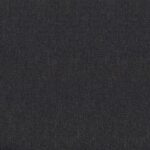
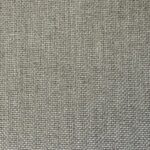
Polyester is a durable, easy-care material. Regular cleaning with neutral detergents and lukewarm water helps maintain its original appearance. Bleaching agents or aggressive products should be avoided to protect the fibers. Air drying is recommended to preserve the material’s structure.
C194
C195
C196

C197
C198

C199
C215
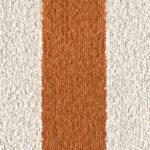
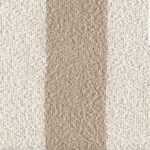
Olefin is a low-maintenance fiber, ideal for outdoor use. Regular cleaning with water and neutral detergents is recommended to remove dirt and residues. Aggressive products should be avoided to prevent surface damage. The fiber’s quick-drying properties help reduce the risk of mold and moisture buildup.
C5
C9
C141
C142
Polyolefin fibers are designed for practicality and long-lasting performance. Routine cleaning with water and neutral detergents is sufficient to keep the material in good condition. Their resistance to stains and moisture reduces the need for frequent maintenance. Aggressive detergents should be avoided.
C3
C4
C7
C13
C26
C28
C36
C39
C42
C43
C44
C45
C50
C51
C52
C55
C57
C60
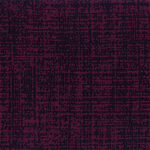
C68
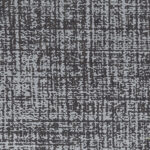
C70
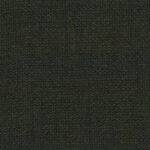
C72
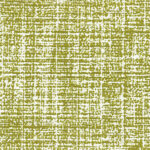
C73
C74
C75
C88
C89

C91
C100
C101
C102
C103
C104
C105
C107
C108
C110
C119
C122
C128
C135
C136
C137
C146
C154
C157
C158
C159
C171
C172

C173
C174
C183
C185
C186
C187
C189
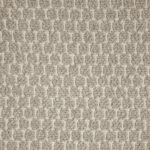
C190
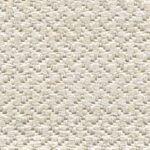
C200
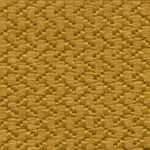
C201
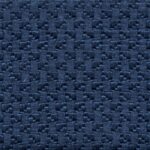
C202
C203
C204
C208
C210
C213
C216
C217

C220
C229

C203
Polypropylene requires minimal maintenance due to its resistance to moisture. Periodic cleaning with water and neutral detergents is sufficient to remove dirt and residues. As it does not absorb liquids, stains are easy to remove. Abrasive products should be avoided to preserve the surface.
CM1
CM2
CM3

CM4

CM5
CM7
Eco-leather is easy to maintain with regular cleaning using a soft, slightly damp cloth. For more stubborn dirt, use specific neutral detergents, avoiding solvents or alcohol-based products. Prolonged exposure to heat sources or direct sunlight should be avoided to preserve elasticity and surface finish.
T1
T2
T3
T4
T5
T6
T7
T10
T11
T12
Textilene requires simple and quick maintenance. For regular cleaning, a soft cloth or sponge with lukewarm water and mild soap is sufficient. Abrasive products, solvents, and aggressive detergents must be strictly avoided to protect the PVC coating. Thanks to its open, micro-perforated structure, the material dries very quickly and maintains its performance over time.

T8
T9

T13

T14
Textilene requires simple and quick maintenance. For regular cleaning, a soft cloth or sponge with lukewarm water and mild soap is sufficient. Abrasive products, solvents, and aggressive detergents must be strictly avoided to protect the PVC coating. Thanks to its open, micro-perforated structure, the material dries very quickly and maintains its performance over time.

T21
T22

T23
For cleaning we recommend using a sponge cloth with soapy water. Abrasives and solvents must be absolutely avoided! It dries very quickly due to their open structure.
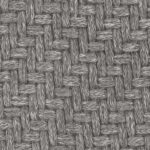
W1
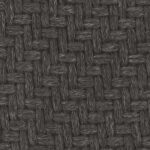
W2
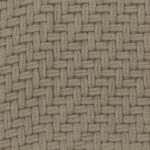
W3
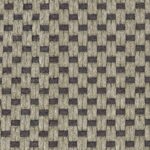
W4
W5
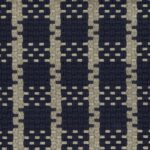
Regular cleaning with washing at 30°C.
F1
F2
F3
F4
F5
F6
F7
F8
F9
F10
F11
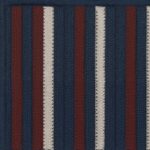
F12
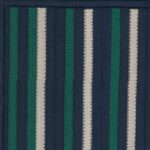
F13
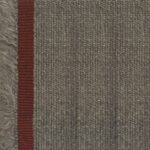
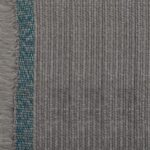
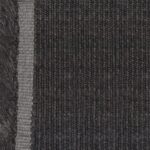
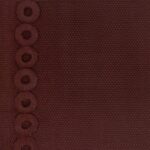
Daily cleaning: vacuum cleaner without brushes. Deeper cleaning: professional dry cleaning or steam cleaning. Stains: pat the area with a clean cloth; use specific detergents following the manufacturer’s instructions.

P1
P12
P31

P55
P44
P33
P22
Before closing the umbrella, make sure that the fabric is completely dry. During periods of non-use, the umbrella should be stored in a dry place and protected with its cover. Avoid prolonged contact with greasy substances and/or dyes that may be absorbed by the coating material and cause permanent stains, as well as damage the yarn structure. Do not use solvents. Use water and non-abrasive, neutral-pH, colourless liquid detergents. If necessary, allow the detergent to act for a few minutes. Rinse thoroughly with water at a temperature not exceeding 30°C.